

ZARDOZ
Population control


Spoilers for Zardoz (1974)
John Boorman’s 1974 science-fiction, fantasy film, Zardoz, is a bizarre piece of work. Filled with interesting ideas that suffer due to the strange pacing, which languishes in some areas before rushing through key plot points, especially as we approach the finale. Essentially continuing the story of The Wizard of Oz, it asks what happens when we discover that God was just a man behind the curtain.
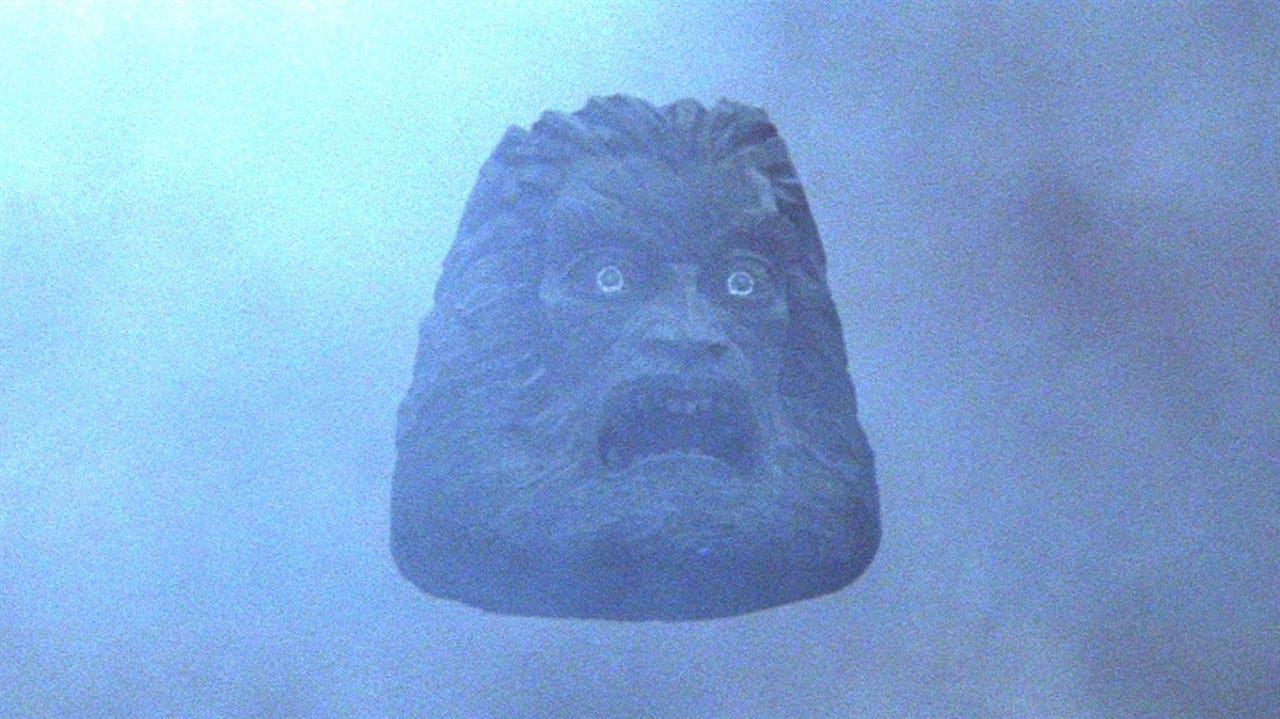
Sean Connery, decked out in an eye-catching getup of red leather y-fronts, thigh boots, and bullet straps across the chest, plays Zed. He is a member of the Exterminators, a group of enforcer-types who keep the impoverished Brutals enslaved. They do this under the instruction of Zardoz, a deity that appears to them in the form of a giant stone head.
As the film later lays out, Zardoz is a construct designed by Arthur Frayn (Niall Buggy). Frayn is an Eternal, a group of affluent humans who have discovered the secret to eternal life and now manipulate relations between the Exterminators and Brutals for their own gain. They are also deeply, existentially bored with their existence, with a growing group – primarily led by May (Sara Kestelman) and Friend (John Alderton) – looking for a way to reintroduce death to their society.
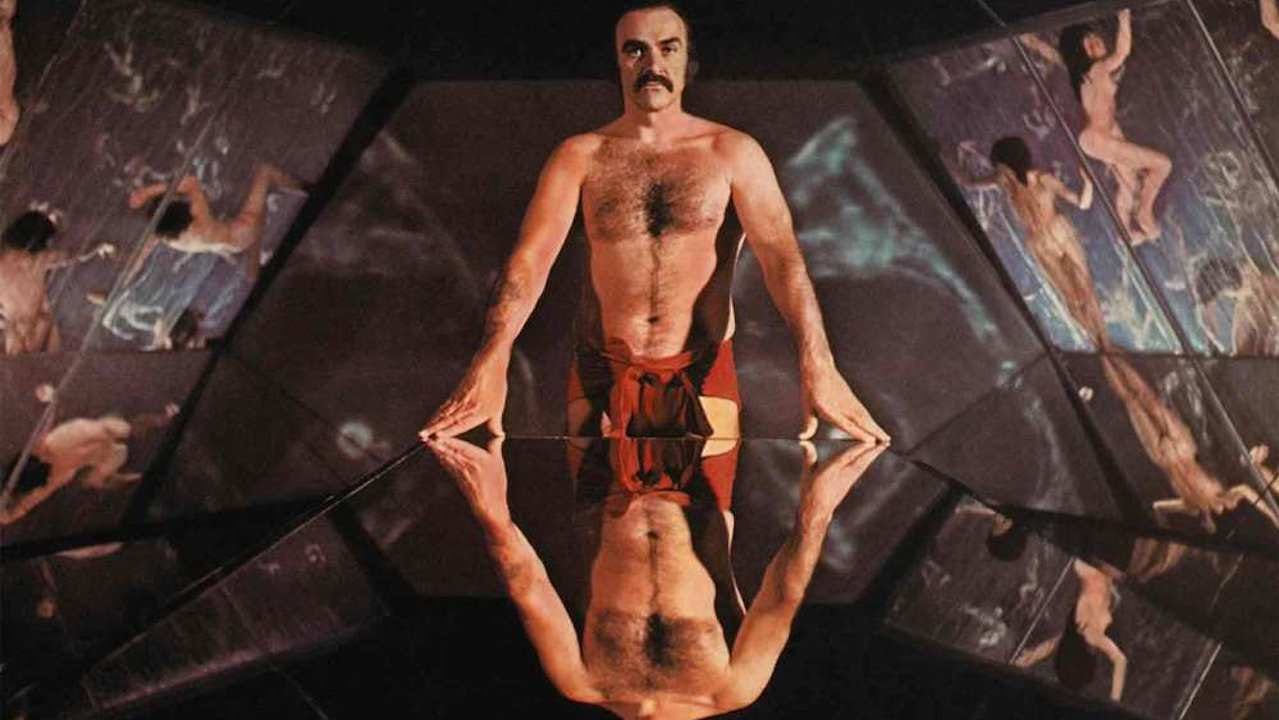
Zed discovers the Eternals after sneaking aboard the stone head and wounding Frayn, although it’s later explained that Frayn had manipulated Zed to get to this point. It’s this manipulation that highlights the continued social control that Boorman used the film to rally against. Having split his time between Britain and America, and served in the Korean War, he would have seen how easily members of the elite can manipulate those beneath them.
Just six years before the film was released, English Conservative Enoch Powell delivered what is now known as the Rivers of Blood speech about immigration, warning that the Race Relations Bill – which called for fair treatment in employment, housing and public services regardless of a person’s colour - would lead to discrimination against white people. While the speech was inflammatory enough to see Powell dismissed from the Shadow Cabinet, it is cited that it may have been influential enough to help the Conservatives win the next election.
Four years before that, during the general election, in the Smethwick constituency, Conservative candidate Peter Griffiths used racial slurs in a slogan, asking whether those in the area would be happy with a person of colour next door. In both cases, those in positions of power attempted to keep a proportion of the population down, using words to influence those they considered more worthy.
It’s something we see now as well, making the film just as relevant today, as populist politicians use extreme rhetoric to convince their followers that they can do no wrong. Those who disagree in any way with the current status quo are extremists, domestic terrorists. I’m reminded of Donald Trump’s comments about the death of Rob Reiner – never going as far as to say that Reiner deserved to die but tempering his condolences by saying he had ‘driven people crazy with his obsession of the president’ and that Reiner had a ‘mind crippling disease known as Trump Derangement Syndrome’.
This type of talk informs followers that criticism of the establishment can – and potentially should – lead to death. That critics are fair game because, while any death is sad, at least it wasn’t one of ours.
In Zardoz, the status quo that is being maintained is due to the immortality of the ruling class. They require food because they will never die, and so maintain population control by discouraging procreation. The scene with Zardoz instructing the Exterminators features the line:
“The penis is evil. The penis shoots seeds and makes new life to poison the Earth with a plague of men…. But the gun shoots death and purifies the Earth of the filth of the Brutals. Go forth and kill. Zardoz has spoken.”
There’s a lot to unpack in that line. There’s the blunt population control, reducing the numbers of those viewed to be at the bottom of the social ladder. Then there’s the inherent prejudice within the statement, that it is the Brutals who must be controlled through violence, even if the population of the Exterminators is controlled simply through the words of Zardoz.
The manipulation of Zed continues when he enters the world of the Eternals. Both Friend and May aim to raise him up, bringing death to their world, while Consuella (Charlotte Rampling) rallies against them and tries to have Zed killed. It’s here where the film loses its way a little; there are lots of interesting ideas of what happens to the Eternals when they question the status quo, but Boorman runs through at pace.
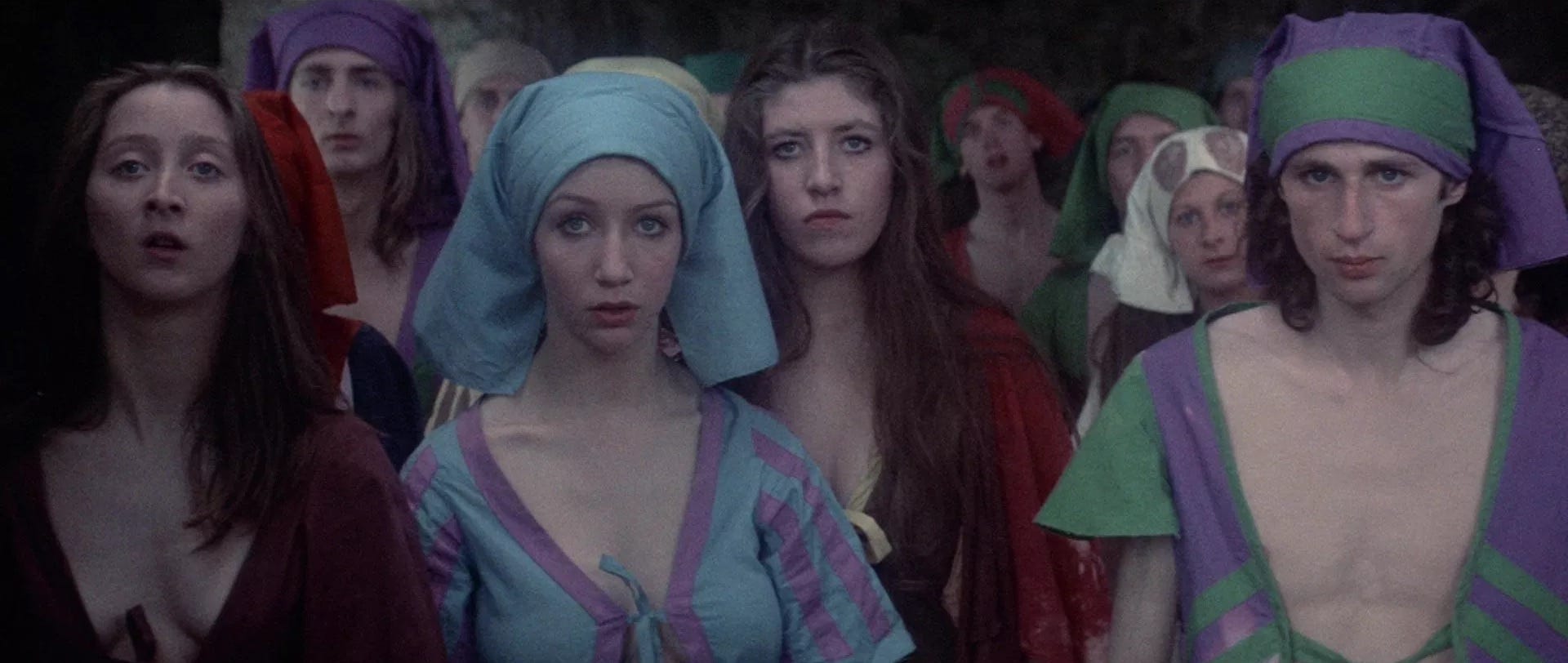
This is especially true of the ending, when Zed’s destruction of the Eternals comes too quickly, and Consuella, who had previously hunted him through the biome that they live in, seems to instantly fall in love with Zed and abandon her campaign. It doesn’t have a happy ending. Zed and Consuella are free in a sense but trapped within the Zardoz head, while the Exterminators kill all the Eternals and destroy the biome, but it features sudden motivation switches that don’t always feel earned.
It positions Zardoz as an interesting, deeply political science fiction story that remains as relevant today as it did 50 years ago, yet one which wears its flaws openly.
Writer/director: John Boorman
Starring: Sean Connery, Charlotte Rampling, Sara Kestelman, John Alderton, Niall Buggy
 | A guest post by
|