

X
Hollywood hypocrisy through the slasher lens



Spoilers for X (2022)
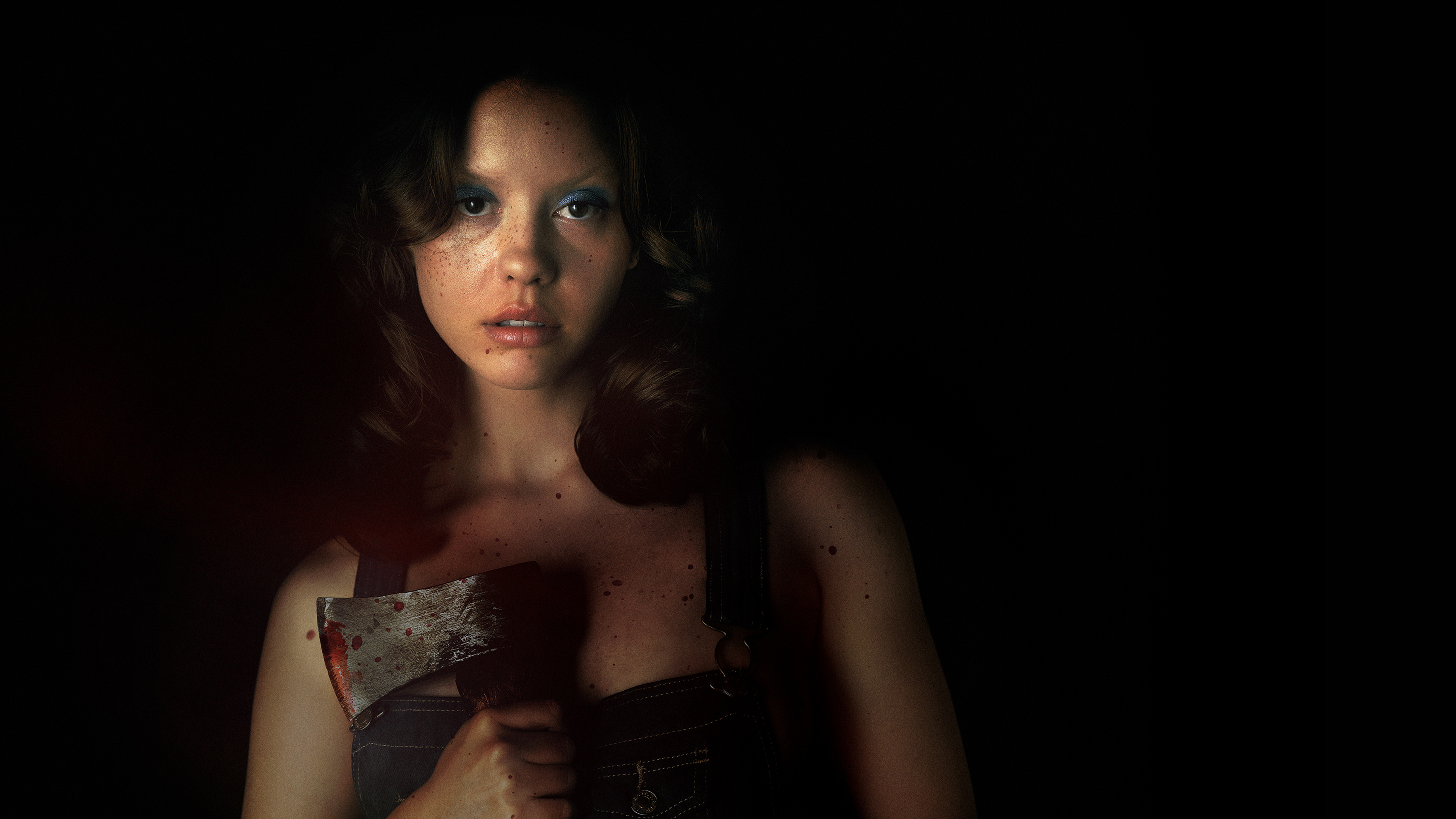
When Ti West put out X in 2022, it was a love letter to 70s grindhouse slasher films at a time when the genre was going through a sort of boom period. Headed up with an excellent double performance by Mia Goth (roles she has reprised in the prequel Pearl and the upcoming sequel MaXXXine), X is well-crafted, suitably gory, and often very funny.
It’s also clever. West is a student of the film business, as shown through his referential filmmaking style. In X, it’s film grain and grimy locales, but in Pearl, it’s post-war technicolour. While not every attempt has been successful, he has always looked to the past to tell new stories in interesting ways.
Here, he tackles auteur theory and Hollywood’s squeamishness about sex. Pornography has always been the ostracised sibling of Hollywood. Like many countries, America is far more comfortable with stylised violence on screen than any sort of sexual activity. This was brilliantly highlighted in Kirby Dick’s 2006 documentary This Film Is Not Yet Rated, which showed how the Motion Picture Association of America (MPAA) routinely gave more restrictive ratings to sexually explicit films than they did to violent blockbusters.
Yet much of how we consume our media has been influenced by pornography. While perhaps not the deciding factor in the war between VHS and Betamax that some would claim, pornography was a huge driver in the adoption of home media in general. In the internet era, it has played a key role in the development of streaming services, online payments, and video calling. The fact that it is looked down upon has forced the industry to adapt and innovate long before more accepted forms of entertainment.
What makes it stranger is that many of the directors who would dominate the 1970s and 1980s cut their teeth on films where they were given creative freedom if a certain quota of softcore content was included – most notably perhaps in Martin Scorsese’s Boxcar Bertha for Roger Corman. That Hollywood would give unprecedented free rein to these creatives, while simultaneously making harsh cuts on sexual content is hard to fathom.
Much of this was happening at a time when it appeared that there could be more freedom for sexually explicit material on film, with Gerard Damiano’s Deep Throat, and Artie and Jim Mitchell’s Behind the Green Door achieving unprecedented success. This groundswell of liberation never quite reached Hollywood however, which has, by and large, remained prudish when compared to independent and European contemporaries.
So, when Ti West makes a slasher – a genre built around the twisted morality of sex equals death – he does so with an eye to satirising this prudishness and showing how ridiculous it is.
Goth stars as Maxine, who heads out to a Texan farm with boyfriend Wayne (Martin Henderson) and friends Bobby-Lynne (Brittany Snow) and Jackson (Scott Mescudi, or Kid Cudi) to make a porn film. They’re joined by RJ (Owen Campbell), an amateur director and his girlfriend Lorraine (Jenna Ortega). All of them see this film (and the burgeoning home media market) as a chance to make it big, but while none of the cast has any illusions about the sort of film they are making, RJ takes an auteur view of the situation.
At first, this comes across as a creative grabbing of an opportunity with both hands. Encouraged by the boom in independent cinema and adult movies that was taking place at the time. He even berates Lorraine for being prudish early in the film, telling her that it is possible to make a good [well-made] dirty movie. Later, he tells Wayne:
“Well, that's 'cause I'm not treatin' it like pornography, but as cinema. That's what these other adult films are lackin'.”
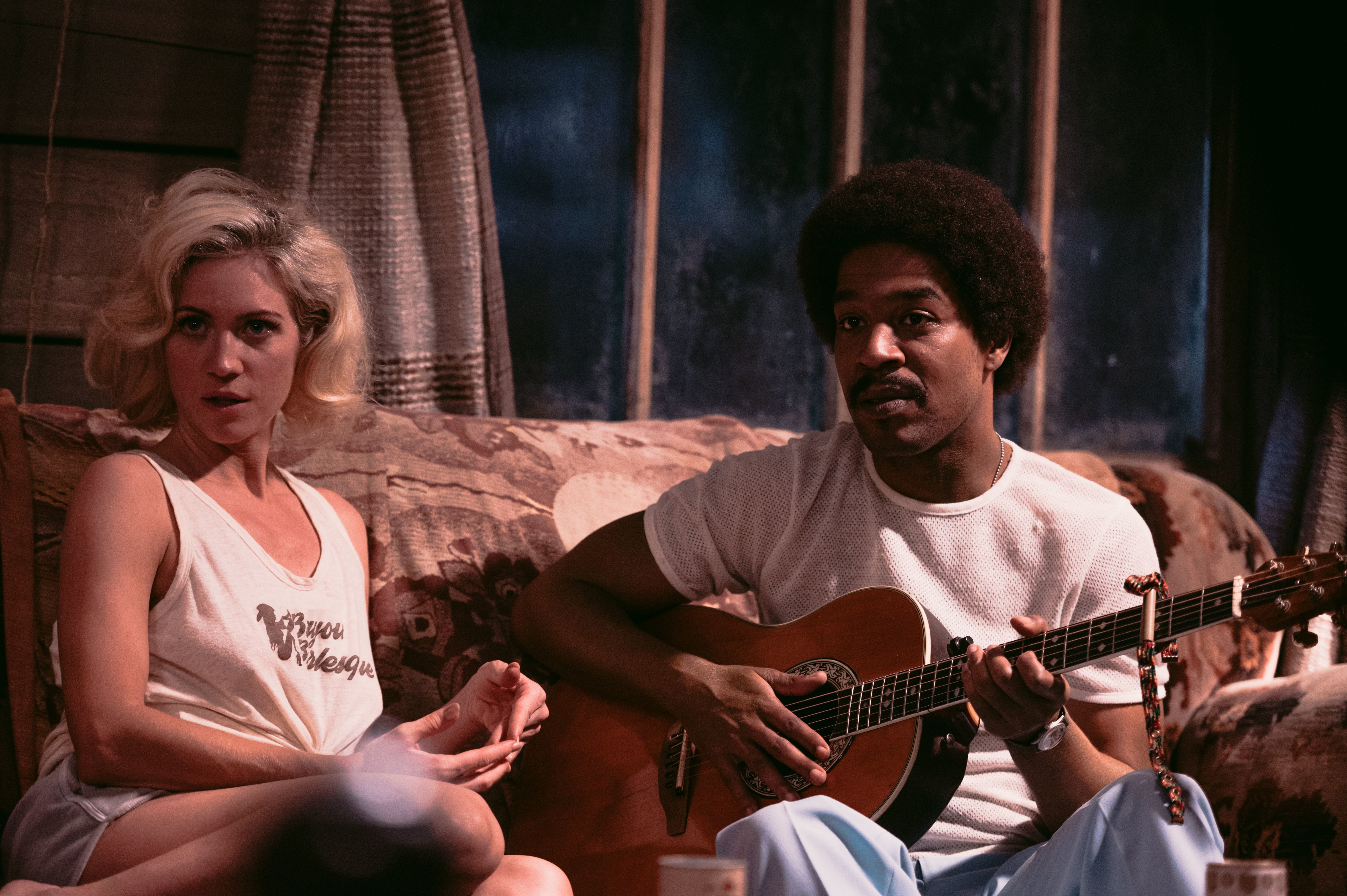
After the first day of filming, the cast and crew sit together listening to music and smoking weed. Lorraine questions them about how they can have sex on camera. Bobby-Lynne and Jackson defend their choices, highlighting the importance of sex positivity.
Bobby-Lynne: “Everybody likes sex. It's a gas. We're just not afraid to admit it. Queer, straight, black, white - it's all disco.”
Jackson: “It's just sex. You can decide who you wanna love, but not who you wanna screw. Attraction's out of our control. It ain't healthy keeping those feelings locked away inside.”
Lorraine considers this and tells the group she wants to film a scene in the movie. RJ, who had previously told her to lighten up, vehemently disagrees with this. At this moment, he switches from an independent director to a Hollywood one, or at least a director trying to fit within the Hollywood system. Sex was no problem previously; he was happy to make a pornographic film because it gave him the creative freedom to experiment with the form. When Lorraine takes this same liberation and wants to be a part of it, he attempts to shut it down.
This feels like West taking aim at the Hollywood system. Plucking young directors and writers out of the independent scene, where the amount of sex was either artificially increased (not something to be applauded) or accepted as a key story beat and then handcuffing them and making cuts. RJ has already been shown up as a fraud earlier in the film, with Bobby-Lynne pointing out obvious shots to him; his outburst about Lorraine cements that he is no real auteur, instead, he is simply doing what he needs to do to get into the system.
One exchange really highlights this:
RJ: “We've already shot half of it. The story can't just suddenly change midway through.”
Lorraine: “Why?”
RJ: “Because it just isn't done.”
Lorraine: “What about in "Psycho"? You love that movie.”
RJ: “Well, Psycho is a horror film. And that plot was a MacGuffin to build suspense. And I'm not making that kind of movie.”
Lorraine: “Oh, come on, RJ. Nobody's comin' to see this film for the plot. They're comin' to see tits and ass. And a big dick.”
This exchange has layers. It sees RJ reject the mechanisms of one of the original auteurs because it doesn’t suit his feelings at that moment. He overstates the importance of his work (something that would eventually collapse the auteur era of Hollywood). All to restrict the actions of his partner, who he previously called prudish for being put off by the porn industry.
There’s another link to Dick’s documentary as well; after the release of This Film Is Not Yet Rated, the MPAA changed its rules to allow filmmakers to provide comparable examples of other work to argue their ratings. RJ, similar to how the MPAA worked previously, rejects an example of comparable work because he does not agree with Lorraine’s actions.
There is of course more to this. Men are often far less sex-positive when it comes to someone – nearly always a woman – that they know. At the time of X’s release, men were pointing out that they wouldn’t date a woman with an OnlyFans account, yet I doubt they would have the same issue with subscribing to a stranger’s. Similarly, female pleasure is rarely acknowledged in mainstream film.
Going back to Dick’s documentary, there are strange hypocrisies in Hollywood around this. Male nudity would often result in a higher rating than female nudity – as if the objectification of men was somehow dirtier, yet the objectification of women is an acceptable part of life. Films that showed a female orgasm, were also likely to be rated higher because female pleasure is not seen as the main driver for sex.
West’s script touches on all of this, but that weird relationship that mainstream film has with sex and violence is a clear influence. It’s not just RJ’s reaction to Lorraine choosing to star in the film. The film’s elderly antagonists, Pearl (Goth) and Howard (Stephen Ure) both have different motivations, which end up providing context for this. Pearl is a woman who used to strive for fame and now wishes that she was still desirable. Her upset is fuelled by the fact that these young women staying on her farm are flaunting their sexuality when her life has not turned out the way he anticipated.
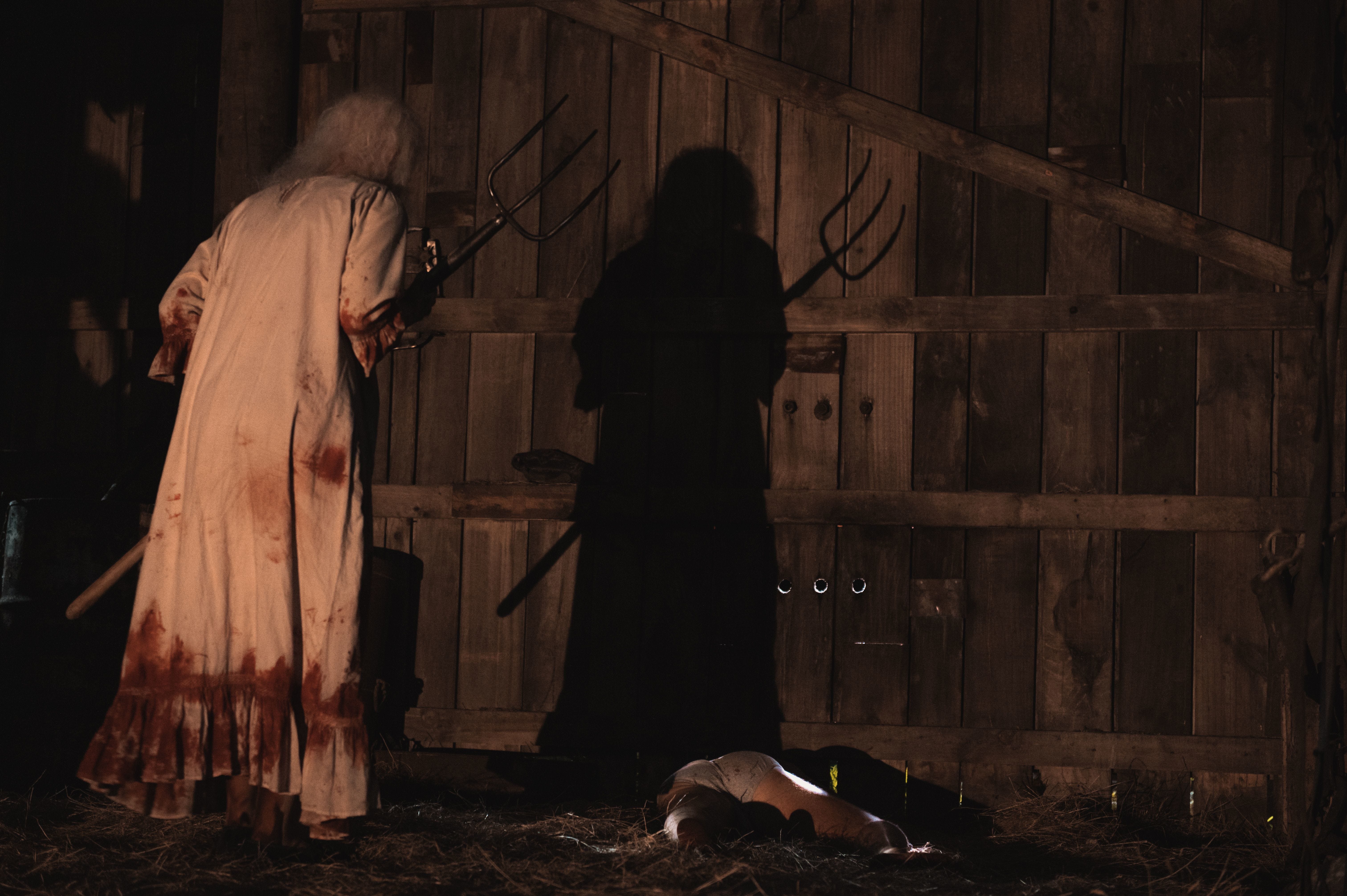
Howard is simply trying to protect Pearl but throughout he seems far more comfortable with violence than he does with sex. Pearl practically begs him to make love to her at one point in the film, something he continuously puts off while happily helping her cover up the slaughter of the lead characters.
Rounding this off is West’s twisting of the slasher rules. For the most part, sex equals death in X. Each of the protagonists is picked off because they flaunt their sexuality, but there is no virginal final girl. Maxine is as enthusiastic about sex as anyone else but comes out the other side. Nor is Pearl attacking them for moralistic reasons; she attacks out of jealousy and dissatisfaction in her own life.
It might be a love letter to slasher films, but within it, West skewers the morality of that genre and dissects the hypocrisy of Hollywood – particularly its relationship with sex.
Writer/Director: Ti West
Starring: Mia Goth, Martin Henderson, Brittany Snow, Scott Mescudi, Owen Campbell, Jenna Ortega
 | A guest post by
|