

SHAFT
Walking the line


Spoilers for Shaft (1971). Trigger warnings for discussions of racism.
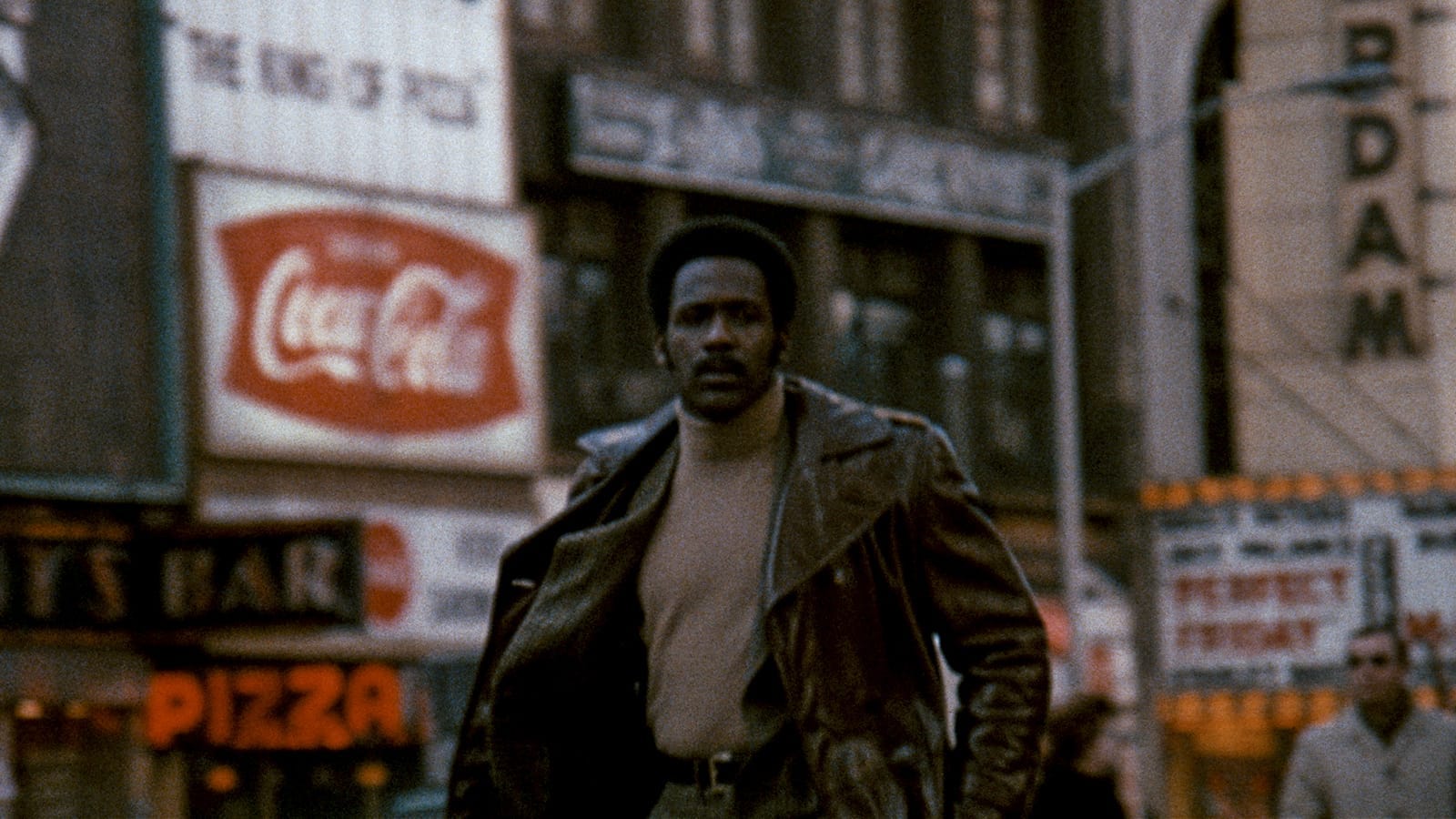
It’s hard to overstate the importance of Gordon Parks’ 1971 film Shaft. John Shaft (Richard Roundtree) might not have been the first strong black lead in a film; Sidney Poitier had brought Virgil Tibbs to life in 1967’s In the Heat of the Night (Norman Jewison), and Melvin Van Peebles released Sweet Sweetback’s Baadasssss Song a few months before Shaft.
However, he was the first mainstream, black action hero. A character who walked the line between the police and organised crime as a private detective. A self-made man who demanded respect both from his peers and from the white community, which would have tried to keep him down.
It was hugely successful, breaking more ground when Isaac Hayes’ iconic theme song won an Oscar – making Hayes the first person of colour to win Best Original Song.
However, it was also a film that came about through compromise. It strove to break new ground by targeting black cinema goers, but could not risk alienating white viewers. Screenwriter and writer of the original novel, Ernest Tidyman, reportedly race-swapped the script to have John Shaft be white, despite his novel being based on the ‘smart and sophisticated’ people of colour he knew personally.
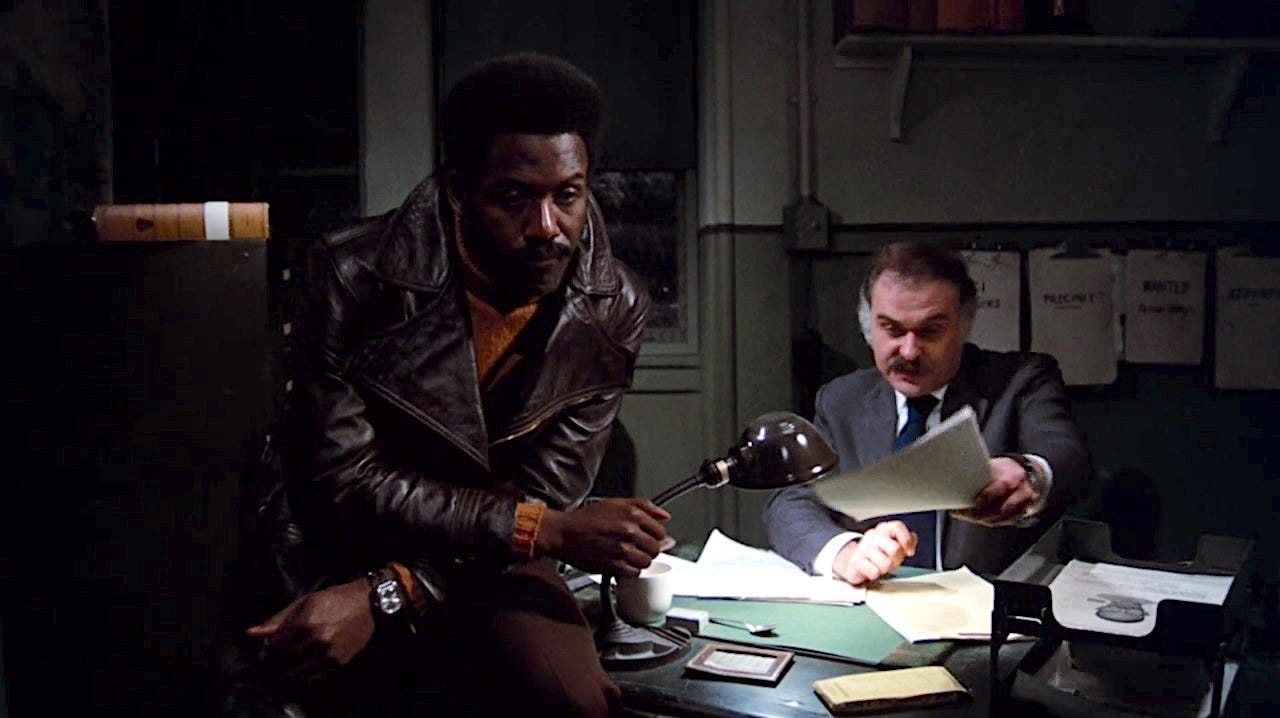
When Parks cast Roundtree, it was said to change the dynamic of the film. The film would still be a fun romp, but one that the director hoped would inspire young people and show that colour did not have to be the barrier it appeared to be. As such, if we look at an early scene within the film, Shaft is approached by Lieutenant Vic Androzzi (Charles Cioffi), who has heard rumblings of trouble between the mafia and a Harlem-based firm overseen by Bumpy Jonas (Moses Gunn).
We all know the difficult relationship between the police force and people of colour. The United States only passed an act ending segregated neighbourhoods in 1968, following the death of Martin Luther King Jr.; there have been multiple instances of police brutality against people of colour; and police forces both in America and in the UK have been found to be institutionally racist.
Imagine then, the joy of seeing a black character hold all the cards in a conversation with the police. There is a begrudging respect between Shaft and Androzzi, but in that initial conversation, Shaft can dismiss the lieutenant, refusing to disclose any information. From the outset, we see a complete reversal of what was typically shown on screen. Even Virgil Tibbs had to establish himself amongst the white population; Shaft starts with the lead having earned that respect.
But if these interactions put Shaft ahead of the white police force, other parts of the film show him to be equally dismissive of black groups. After being hired by Jonas to find his daughter, Shaft tracks down an old acquaintance, Ben Buford (Christopher St. John).
Buford is heading up a black power organisation – loosely based on the Black Panthers – and yet in the film, they are shown to be unorganised and largely ineffective. When Shaft and Buford meet for the first time in the film, Shaft once again holds all the power in their conversation. He dismisses the years that he spent with Buford, to the point at which Buford exclaims:
“I don’t know you no more.”
By the end of the film, Buford’s group is demoted to a series of nameless grunts, helping the action hero Shaft complete his mission. Even during this, they require exact instructions from him to perform their tasks. While Shaft was predominantly led by people of colour, and much was made of the number of black crew members, it’s important to remember that it was produced by MGM, with plenty of white people in charge of financial decisions.
One can imagine some squirming at the idea of showing a black power movement in a truly positive light, as any kind of force to be reckoned with.
Compare this with Sweet Sweetback’s Baadasssss Song, an independently produced film, and the manhunt for Sweet Sweetback is continuously escalated because the police are truly scared of an uprising from people of colour. And while it’s only the mafia in Shaft that are shown to be racially insensitive for the most part, Sweet Sweetback… does not hold back with depictions of racism and police brutality.
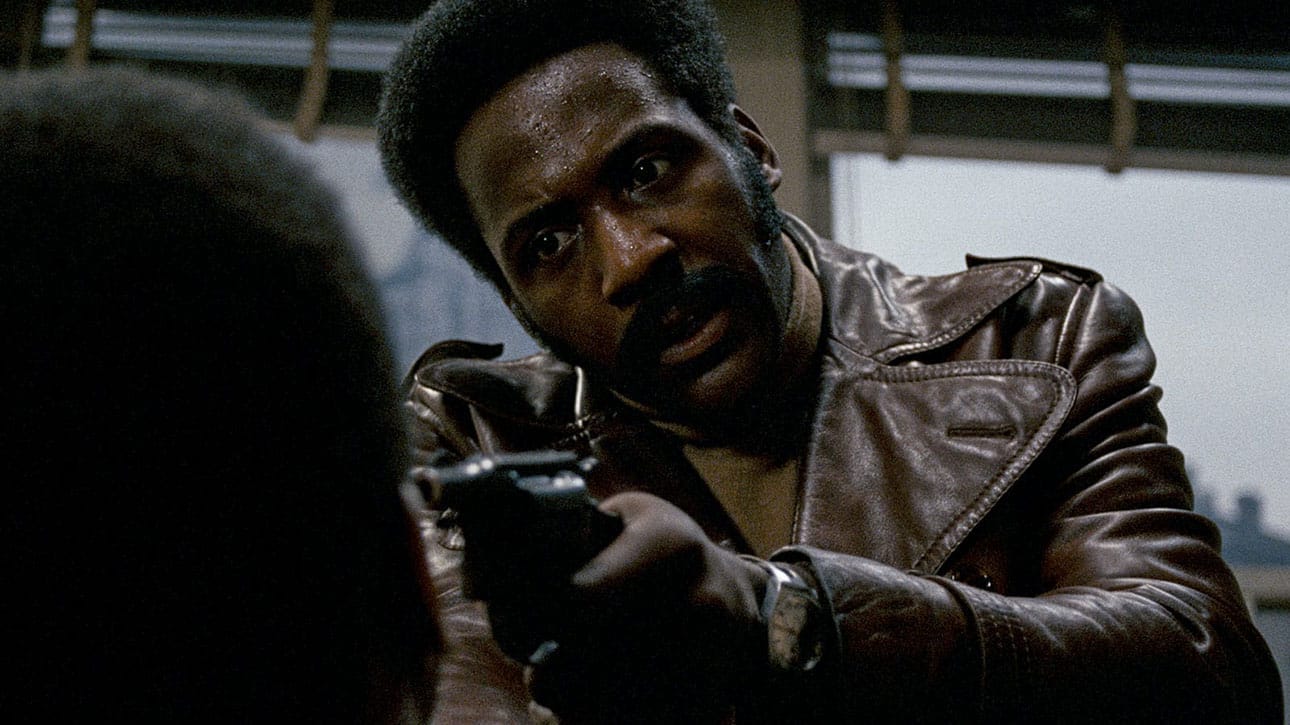
The film is very careful to never show white people as too threatening, nor people of colour to be too powerful – barring, of course, its lead.
None of this is to understate the importance of Shaft. It paved the way for a series of lead roles for people of colour, not just in dramatic roles focused on racial issues, but in films where the colour of the lead didn’t impact the plot. Films where people of colour could be the superheroes on-screen.
Director: Gordon Parks
Writers: Ernest Tidyman, John D. F. Black. Based on the novel Shaft by Ernest Tidyman.
Starring: Richard Roundtree, Moses Gunn, Charles Cioffi, Christopher St. John, Lawrence Pressman
 | A guest post by
|
This was a great read. LOVE Gordon Parks.