

MY DINNER WITH ANDRE
Looking at privilege


Spoilers for My Dinner with Andre (1981)
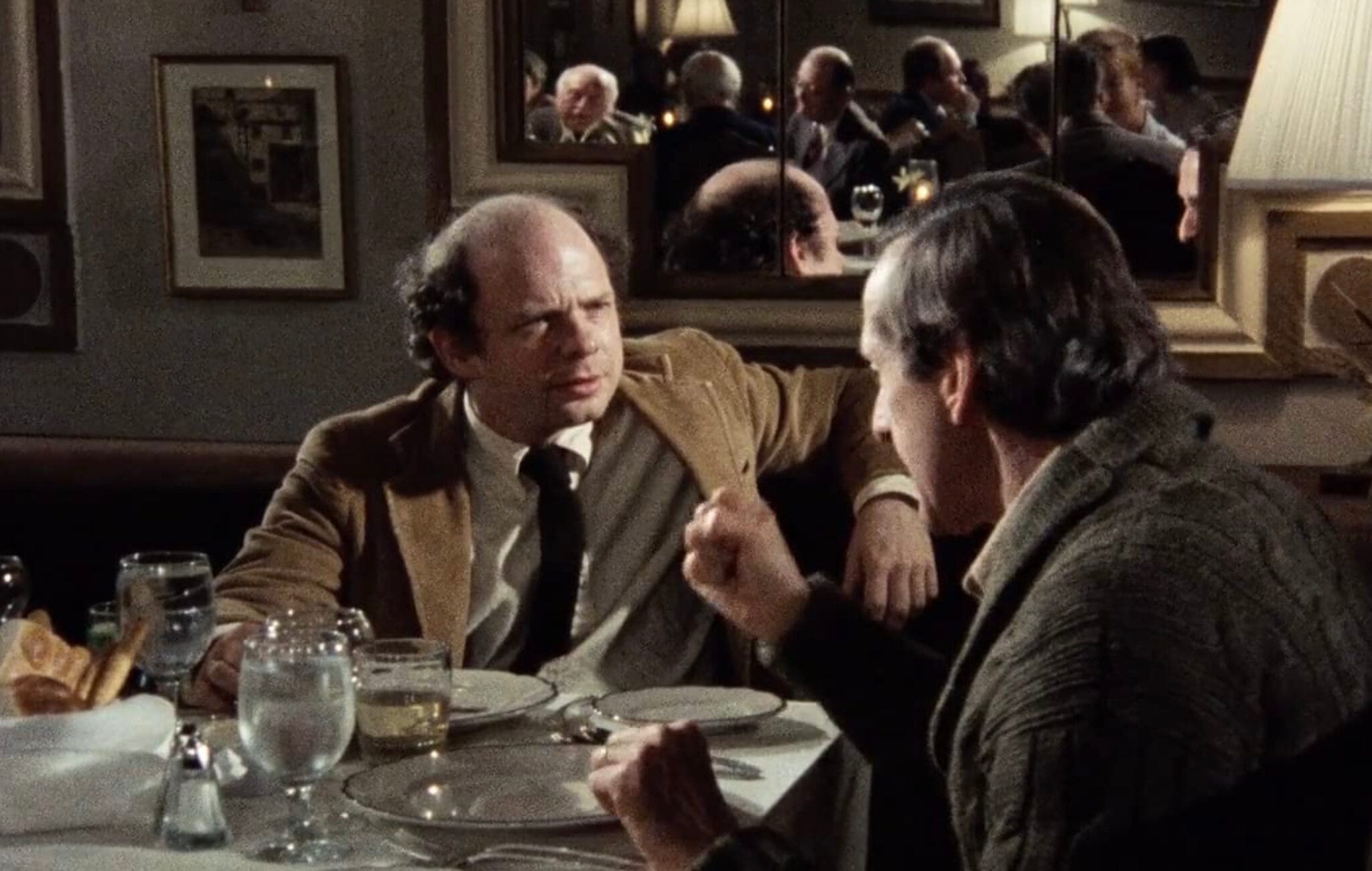
Louis Malle’s 1981 film My Dinner with Andre shouldn’t work. Wallace Shawn, who plays a fictionalised version of himself opposite André Gregory, says this as much in his essay for the Curzon retrospective boxset on Louis.
He notes that it is a film with a seven-minute introduction of a man navigating the New York subway system; over an hour and a half of the same man having dinner with an old friend; and three minutes of the man heading home in a taxi. It poses a challenge for an essay series such as this, as well, because when the bulk of the film is just one scene, with the odd cut to a different angle, how do you analyse that scene?
Yet this ‘talking heads’ piece works beautifully, because it eschews the typical cinematic flair and allows its characters to speak eloquently and easily about art, life and the meanings we place on those things. Reverting again to Wallace’s essay, he says that when André and he initially came up with the idea, they knew that they needed a director who would not get bored with the concept. Who would not intersect the conversations with flashbacks or background shenanigans within the restaurant, to try and hold the audience’s attention.
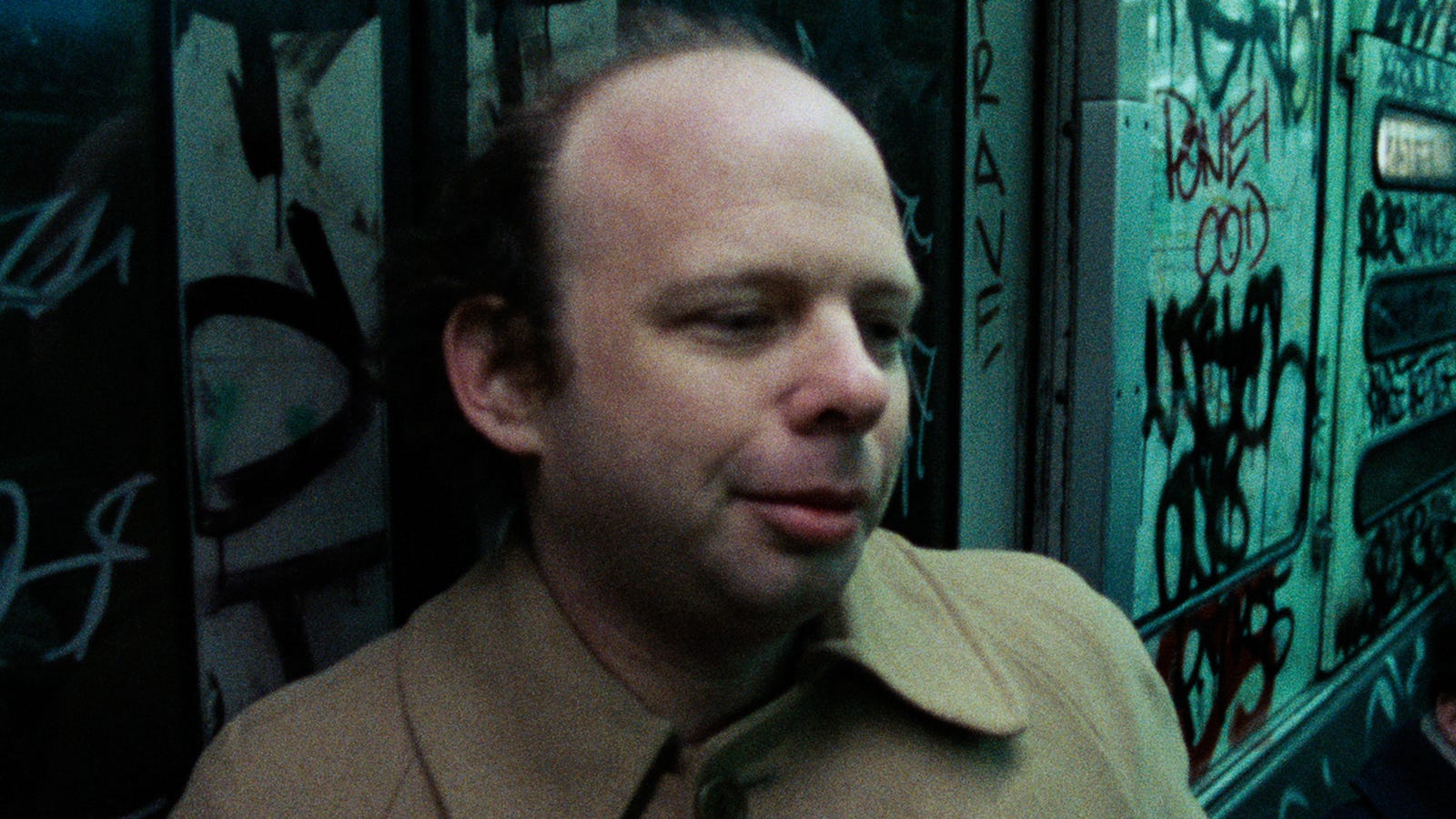
What we get is two characters, both embedded within the independent theatre scene of New York, offering opposing views on the meanings of art and work. Wallace, or Wally, is a hard-up playwright who is struggling to make headway and desperately trying to scrape together enough money to pay rent and bills each month. André, on the other hand, is suggested to have inherited his wealth, which has enabled him to pursue a career within the arts and travel extensively, without concerns.
The differing backgrounds and the very idea of privilege make up the core of the film. For nearly half the runtime, Wally says very little, allowing André to monologue about running workshops in the forests of Poland, travelling to India and Tibet, or eating sand in the Sahara in the hopes of discovering himself. André criticises those who mechanically follow routines to get by in life and claims that everyone should experience what he has experienced to ‘break free’ and really feel again.
In the film, this is shown to be an almost childlike view – a theme that is brought up several times throughout but is wonderfully summed up in Wally’s voiceover at the beginning.
“And when I was ten years old, I was rich, I was an aristocrat. Riding around in taxis, surrounded by comfort, and all I thought about was art and music. Now, I’m 36, and all I think about is money.”
Not having to worry about money and being able to continuously try and discover yourself is a luxury afforded only to the few. In the Curzon essay, again, Wallace explains that they were aware of this in the writing, because both André and he came from moderately wealthy backgrounds and had been able to choose the arts from a position of comfort.
But André isn’t a two-dimensional representation of generational wealth. He acknowledges that he imposed himself on the different cultures to try and learn something about himself. However, even as he becomes aware of his privilege, he continues to berate those who seek comfort over adventure.
This comes to a head when Wally brings up an electric blanket that was gifted to him. At first, he agrees with André, noting that something of simple as an electric blanket has changed a fundamental part of his life. He says he sleeps differently, perhaps even dreams differently.
André, though, sees this as the worst possible comfort. He criticises the use of the blanket, stating that it disconnects Wally from his natural surroundings. That feeling the cold could awaken new feelings and purpose within him, even if that purpose was as simple as to get an additional blanket or snuggle closer to his partner.
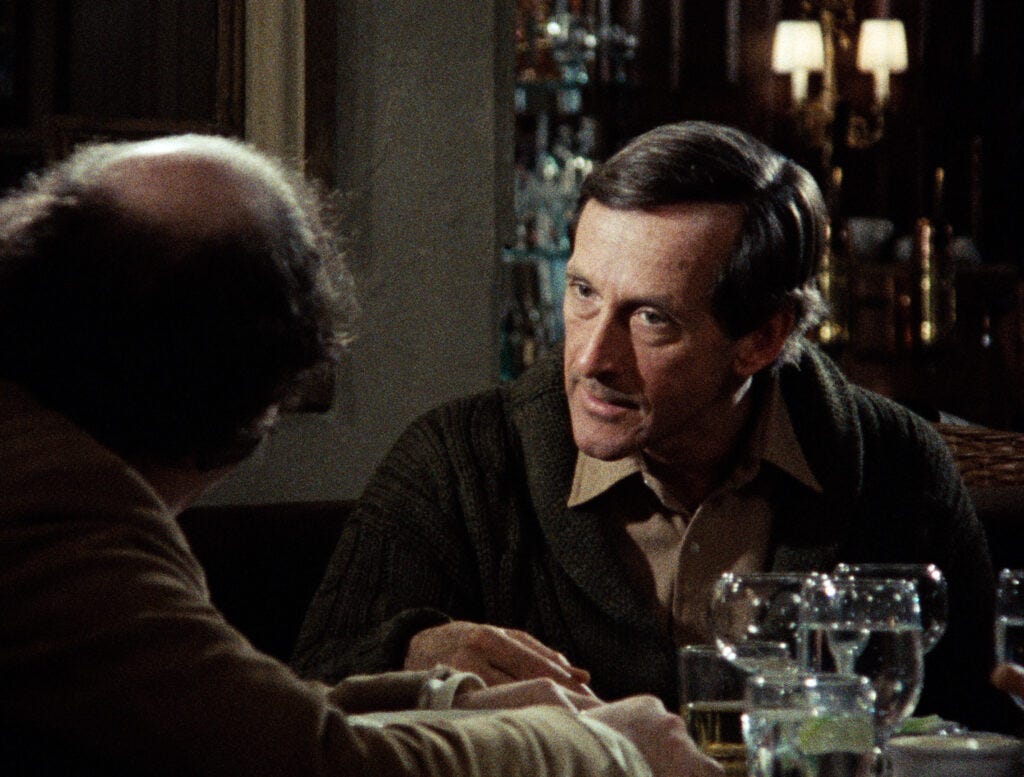
It’s a moment where Wally makes his feelings clear. André is living a very comfortable life, and every difficult or uncomfortable situation he has found himself in has been through his own choosing. For Wally, the cold New York winters are something he must suffer through. He doesn’t have the money to abscond, or perhaps even pay his bills, so the electric blanket softens the day-to-day hardships.
“I would never give up my electric blanket, André. I mean, because New York is cold in the winter. I mean, our apartment is cold! It’s a difficult environment. I mean, our life is tough enough as it is. I’m not looking for ways to get rid of a few things that provide relief and comfort. I mean, on the contrary, I’m looking for more comfort because the world is very abrasive.”
More than 40 years on from the release of My Dinner with Andre, we still see this battle between those who have very little and those who have everything. Especially in the arts, working class people struggle more than those with wealth to get on the ladder. This is why ‘nepo babies’ are a source of controversy. It’s why documentaries that exploited some of the poorest in our society have been rightly demonised in the years since they were broadcast.
Those with money can choose to be part of the arts. To attend the best schools, be in the audience at plays and the opera, raise funding for projects, or head off into the mountains to find a meaning to what they are doing. Budding artists from poorer backgrounds have little choice but to mechanically work their way up by taking on other jobs and honing their craft at night, by writing day in and day out until something clicks.
My Dinner with Andre makes the point that these experiences, while not as spectacular as willingly being buried alive by a group of artists in the wilderness, give an artist more perspective on the world and all its absurdities.
Director: Louis Malle
Writers: Wallace Shawn, André Gregory
Starring: Wallace Shawn, André Gregory
 | A guest post by
|
While I haven’t seen this, you still have an excellent take on it and I appreciate the discussion about poor vs privileged artists.