

LAURA
A sense of entitlement

Spoilers for Laura (1944)
One of the interesting aspects of rewatching classic cinema is that the modern eye often highlights themes that possibly weren’t as overt or even intended on initial release. With Otto Preminger’s Laura, however, it doesn’t require this modern eye to see what is going on behind each shadowy, black and white frame.
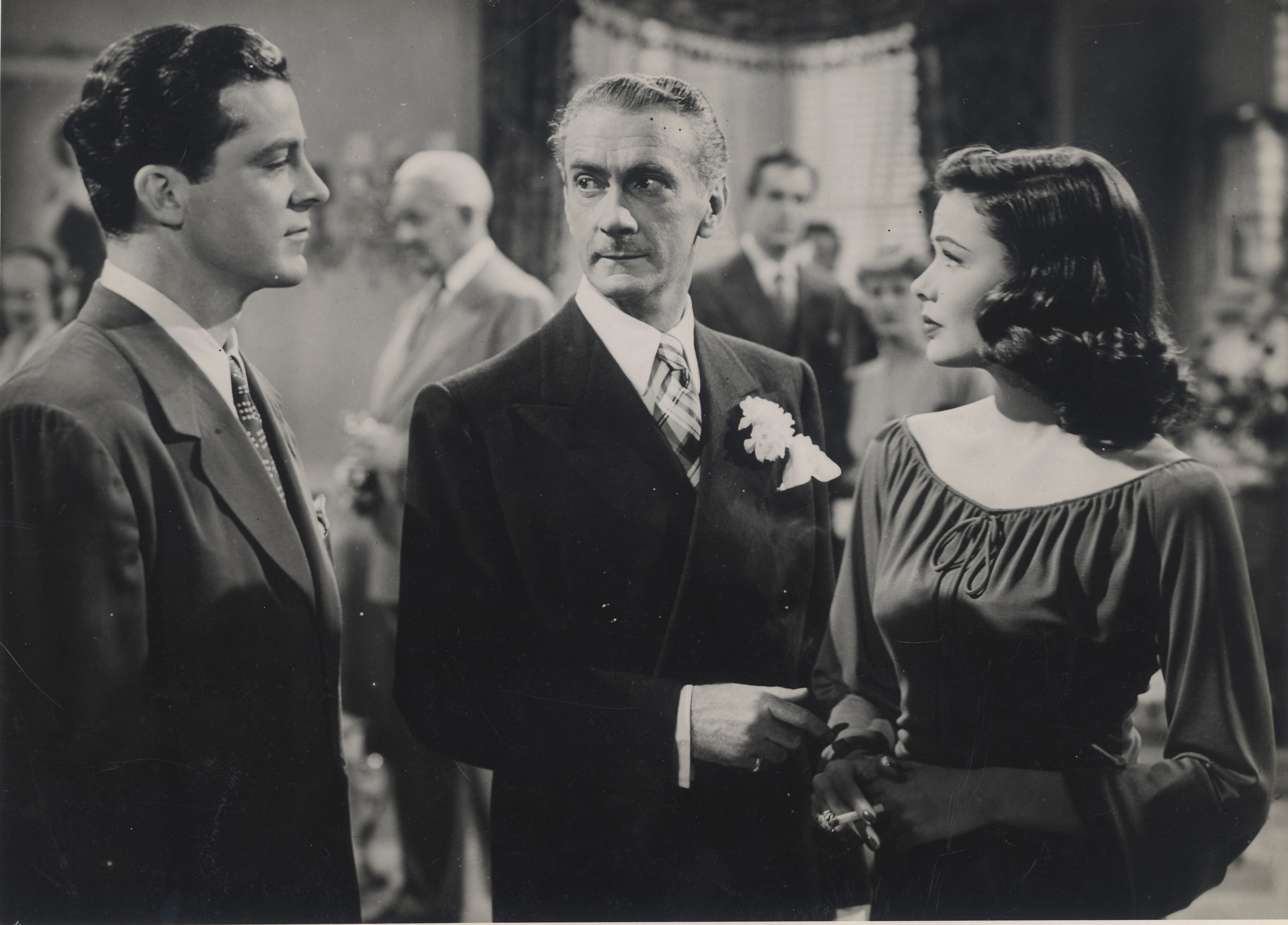
Mark McPherson (Dana Andrews) is investigating the murder of Laura Hunt (Gene Tierney), an investigation that quickly goes awry when the victim turns up perfectly healthy after a weekend away. Before her sudden arrival, though, McPherson spends his time questioning her closest friend, columnist and broadcaster Waldo Lydecker (Clifton Webb), and her fiancé, Shelby Carpenter (an excellent early performance from Vincent Price).
Carpenter is a clear suspect from the outset. He appears to be carrying on with, or at least not discouraging, multiple women on the side, including Hunt’s embittered aunt (Judith Anderson). However, it is Lydecker who constantly sticks to McPherson’s side, at once belittling the detective and revealing several things about Hunt’s social and romantic life.
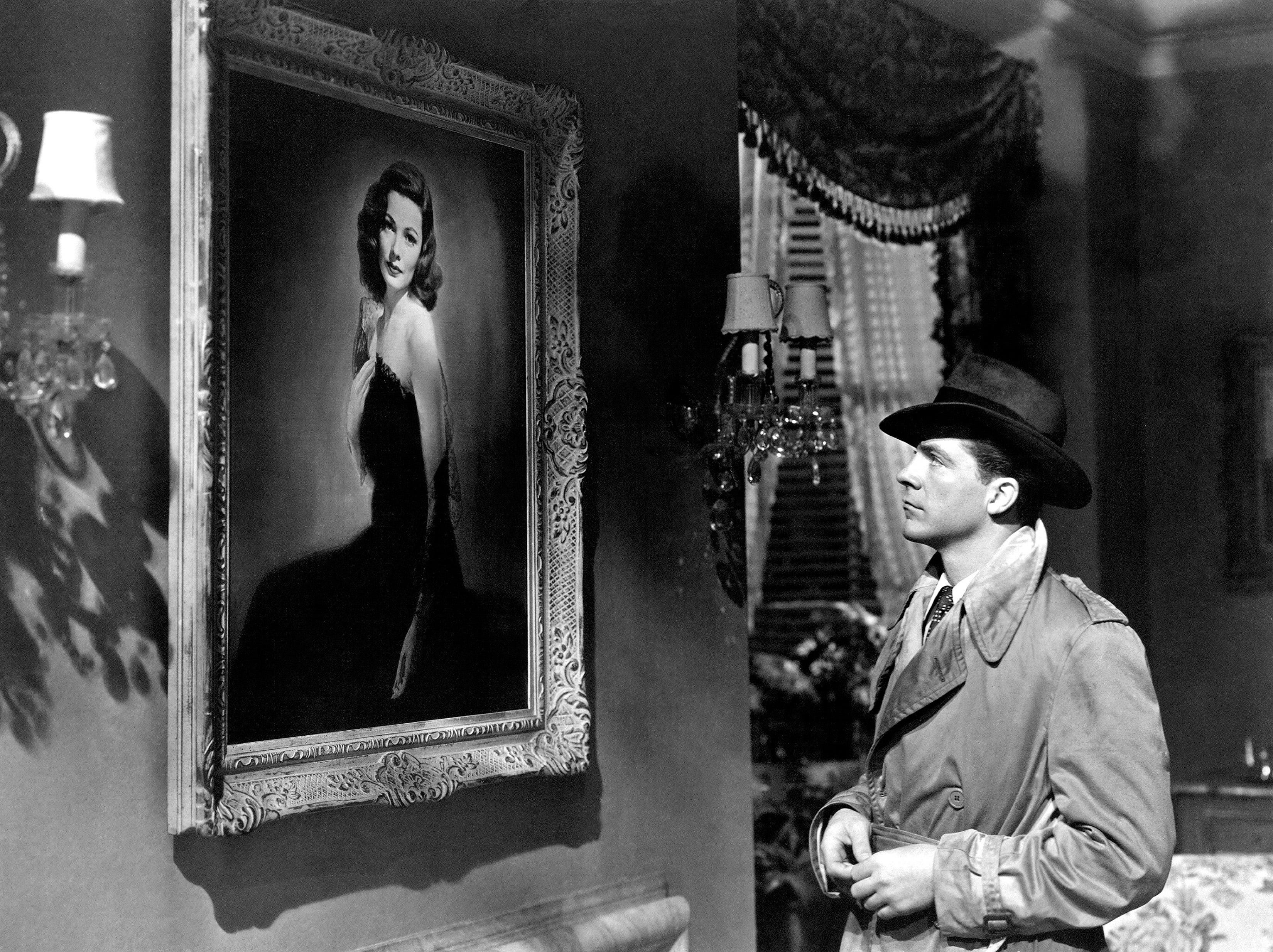
It's clear that Lydecker was in love with the would-be victim, even if those feelings remained unrequited. His relationship with Hunt is complicated by the way that their professional and personal lives intermingle. They first met when Hunt interrupted his lunch to pitch a marketing campaign from the company she works for, and after initially dismissing her, the caustic Lydecker takes her under his wing. Slowly but surely, he takes control of her social life and turns the young advertising designer into a marketing socialite.
He openly admits this to the detective, spinning into the actions befitting an overprotective uncle. Even the casual references to Lydecker sabotaging Hunt’s relationships are met with indifference by McPherson. Yet, at the conclusion, with hindsight, it’s no surprise that it was Lydecker who attempted to kill Hunt, mistakenly shooting a model at Hunt’s agency who had been sleeping with Carpenter.
It doesn’t surprise the audience because Lydecker shows clear signs of entitlement. He is infatuated with Hunt, but rather than true love or even a crush, he believes that she owes her success to him. There’s also an element of classism, seen clearly when Hunt starts a relationship with McPherson.
“Very well. I hope you'll never regret what promises to be a disgustingly earthy relationship.”
For all his verbose pondering on how much he loved Hunt, Lydecker does not equate any of her success to her own work, but simply the connections he provided. He doesn’t see her as a person, but as a delicate thing that must be protected from a world she couldn’t possibly understand.
The source novel goes further in showing just how wrong Lydecker is. Author Vera Caspary, herself an independent woman like Hunt, included more details about various love affairs that Hunt had – points that were likely omitted from the film due to the stringent censorship of the Hays Code. It shows Laura to be emotional, and occasionally on the edge of losing control, but always sure of herself and her position.
If we cast that modern eye over the plot, Lydecker’s opinion on Laura is something unfortunately familiar. A sense of entitlement that men can exert over women, making them feel obligated to act a certain way or risk having it all taken away. Like in real life, the film isn’t afraid to show the fatal lengths that some will go to in order to retain a certain level of power.
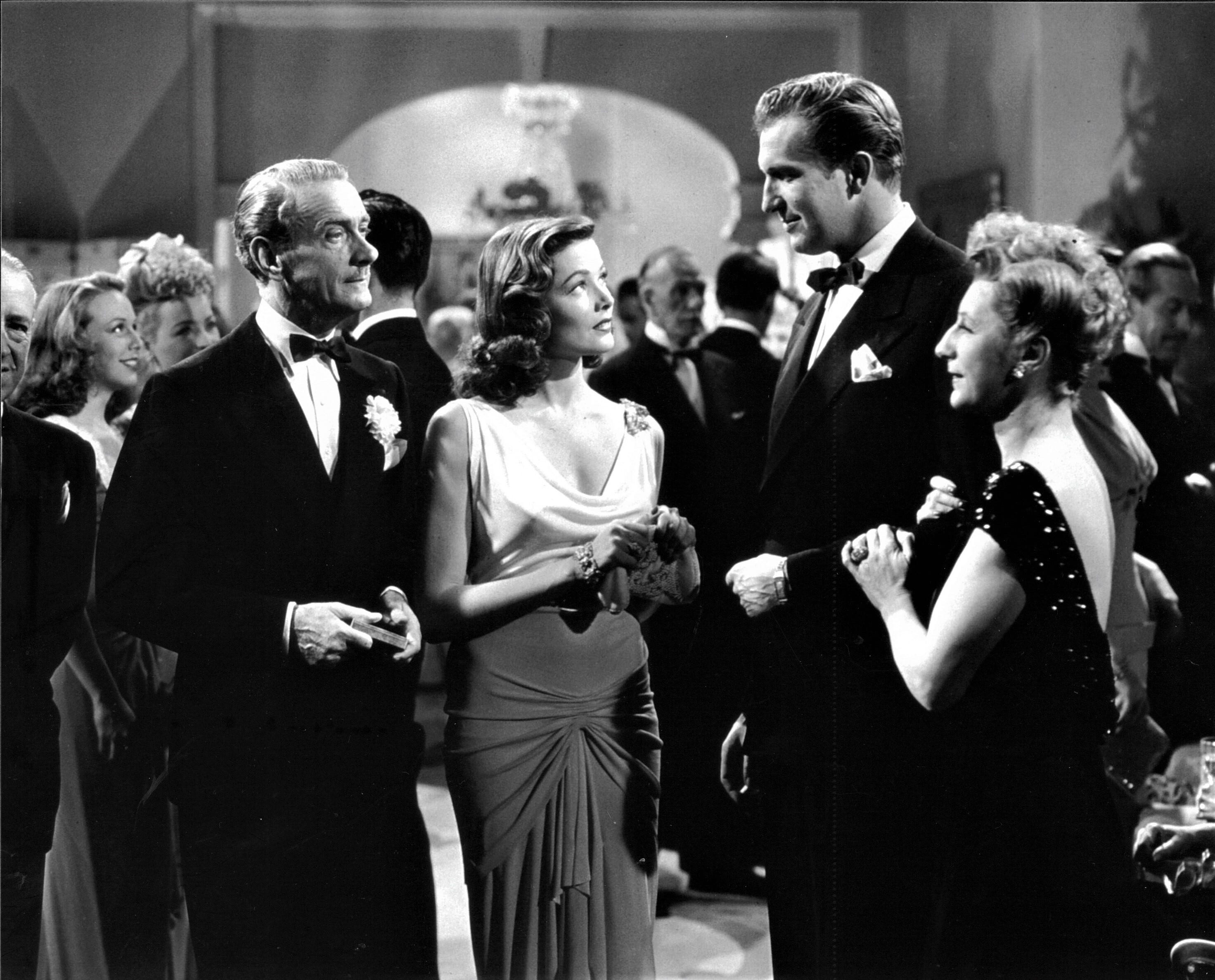
Adding a historical context, women in the workplace only started to become commonplace in the 1930s, just 13 years before Caspary’s novel was published and 14 years before the film was released. Before this, women primarily stayed in the home. The idea of a successful, self-made woman was rare, and industries remained patriarchal.
In that sense, Laura is ahead of its time in showing its lead character to be financially independent and in a highly sought position in a company. And while Lydecker claims that he was responsible for her success, he conveniently gives little weight to the fact that she approached him, without sanction, to achieve a contract for the company.
Hunt acted on her own initiative, showing that without his influence she would have still risen through the ranks, or at least at the capabilities to do so.
Laura doesn’t just surprise audiences by revealing the victim to be alive after all; it highlights a burgeoning issue of emasculated men and the lengths they will go to tear a successful woman down. Lydecker’s words before attempting to murder Laura in the conclusion of the film are theatrical, but also ring horribly true:
“He'll find us together, Laura as we always have been and we always should be, as we always will be.”
Director: Otto Preminger
Writers: Jay Dratler, Samuel Hoffenstein, Betty Reinhardt, Ring Lardner Jr. Based on the novel Laura by Vera Caspary
Starring: Gene Tierney, Dana Andrews, Clifton Webb, Vincent Price, Judith Anderson
One of my favourite films ever.
I haven't seen it, but that sounds interesting. I am very into the post-suffrage working-women's era right now.