

39 STRIPES
Sledgehammer subtext

Spoilers for 39 Stripes (1979)
Working my way through the From Hollywood to Heaven collection from Powerhouse Films and Nicolas Winding Refn’s ByNWR platform, which brings together the cinematic work of the Ormond family, is a fascinating experience – one that is given much-needed context by the excellent essays and biography from Jimmy McDonough.
It charts the careers of Ron and June Ormond, and later their son Tim, as they moved from vaudeville productions and stage plays to exploitation films and later Bible-ploitation efforts, which were shown predominantly in churches across the Bible Belt. There was a trilogy of films funded by Baptist preacher Estus Pirkle, as well as pictures directed for Dr John Rice. When these professional relationships ended, the Ormond family continued to produce films that focused on preaching the Good Book.
39 Stripes was one of the last of these, and the last to be directed by Ron, who passed away from cancer two years later. It’s a dramatisation of Ed Martin’s conversion from petty criminal to devout preacher and missionary, with Tim Ormond taking on the lead role.
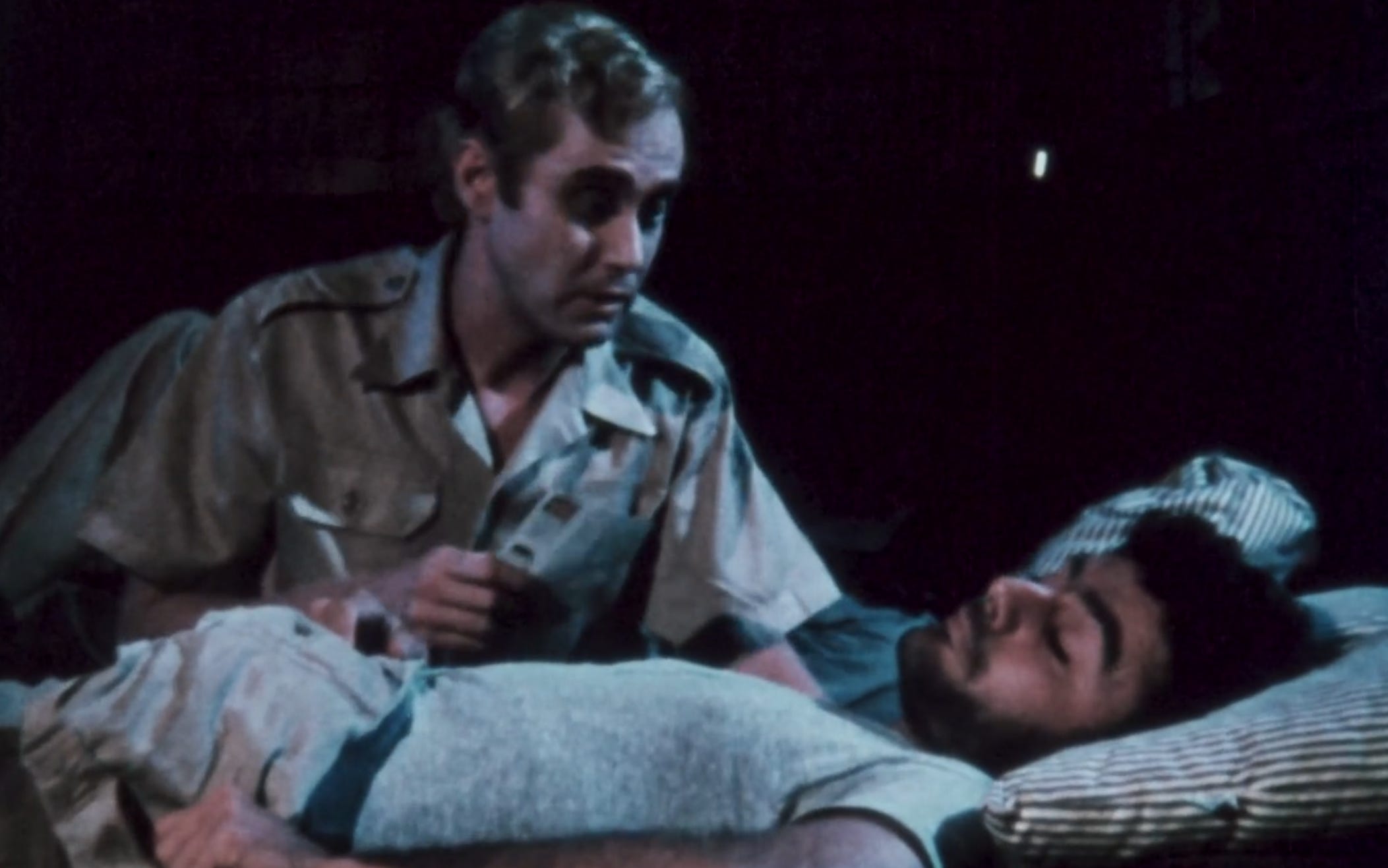
As a non-believer, 39 Stripes is admirably earnest, but it is at least anchored by a half-decent performance from Tim. Its earnestness, however, does mean that the themes are presented with all the subtlety of a swinging sledgehammer. Take the title, as an example, a direct reference to the number of lashes Jesus is said to have been given ahead of his crucifixion. When Ed’s friend, Dan (Craig Courtney), is punished for disrespecting the guards, other prisoners comment that 40 lashes is believed to kill a man, whereas 39 would take him right to the edge of death.
Perhaps the most blatant piece of symbolism within the film is during the flashback when we see how Ed ended up on the chain gang. He pawns his father’s Bible and, after seeing the padlocked chest where the shopkeeper’s cash is held, later decides to rob the store. He quite literally gives up the word of God and finds himself in a life of sin.
There’s another interesting point here as well. Firstly, it seems quite strange that any store would pay any amount for a used Bible. In fact, checking the inflation adjustment between 1978 (when I assume the film was shot) and today, the $3 that Ed is paid would be worth around $15 today. That seems steep for a mass-produced book, making it funnier that Ed attempts to convince the shopkeeper to give him more.

So, if $3 seems high, does the number have any other significance? Well, it doesn’t take much to link the figure to the 30 pieces of silver that Judas received for betraying Jesus. One imagines that even the Ormonds realised that 30 silver dollars would have been excessive for the Bible, but perhaps dropping the zero off the end felt acceptable.
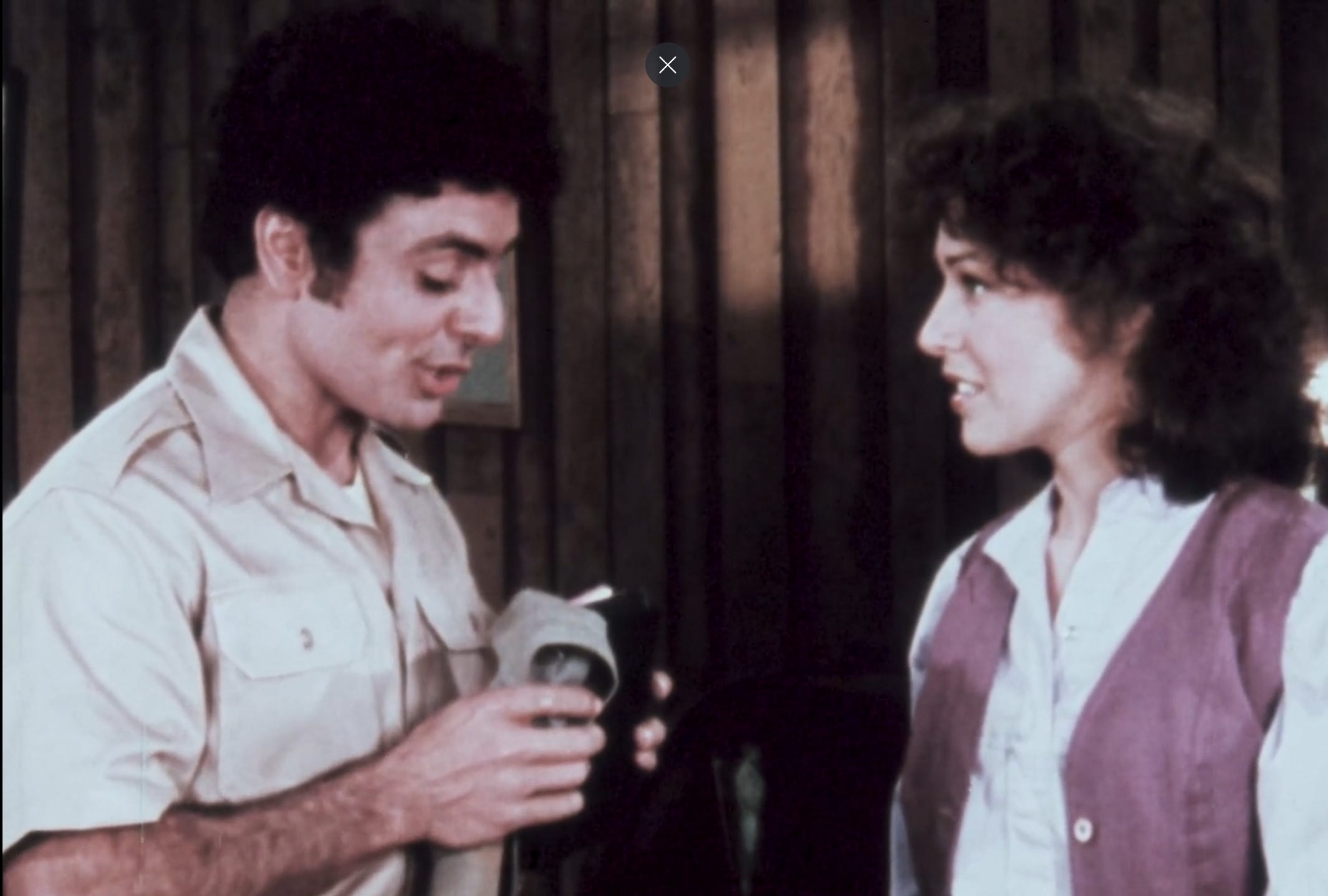
When Ed reembraces his faith, encouraged by his sister’s friend Alfreda (Nancy Harper), whom the real Ed Martin would marry once he was paroled, the other inmates initially reject him, including one man who beats him for simply holding the Bible. One imagines that the idea of Christianity being persecuted would have played well in Bible Belt churches.
At just 60 minutes, 39 Stripes doesn’t outstay its welcome, even as it devolves into a direct-to-camera sermon at the end. Nor do the Ormonds forget their exploitation past, ensuring that there are plenty of gory images of Jesus being nailed to the cross, interspersed with Ed’s sermon to the prisoners.
Director: Ron Ormond
Writers: Ron Ormond, Tim Ormond
Starring: Tim Ormond, Nancy Harper, Craig Courtney, Duane Hahn, Steve Wallis, Sharon Burrus